Get Arborist Pruning
Arborist pruning services help property owners improve tree health, remove hazardous branches, shape trees, and address safety or aesthetic concerns through professional trimming.
Arborist pruning services are essential for maintaining the health and appearance of trees on residential or commercial properties. Proper pruning can promote stronger growth, improve safety by reducing the risk of falling branches, and enhance the overall aesthetic of the landscape. Property owners in the area may consider these services as part of their regular landscape management or when addressing specific concerns such as overgrown branches or damaged limbs. Exploring local contractor options can help ensure that the work is handled by experienced professionals familiar with the unique needs of the community's trees.
For those planning landscape projects or seeking to improve their property's safety and visual appeal, comparing local service providers can be a practical step. Many contractors offer a range of pruning options tailored to different types of trees and property requirements. By reviewing local arborist services, property owners can find experienced professionals equipped to handle their specific pruning needs, ensuring the health and beauty of their trees are preserved for years to come. Keep reading to discover how to connect with qualified local contractors for your arborist pruning projects.
- Tree pruning - needed to remove dead or diseased branches to promote tree health and safety.
- Thinning and shaping - required when trees or shrubs need to be carefully shaped or reduced in size.
- Emergency pruning - necessary after storms or severe weather to prevent falling branches or trees.
- Fruit tree pruning - essential for optimizing fruit production and maintaining tree vigor.
- Overgrown tree trimming - performed to manage trees that have become too large or encroaching on structures.
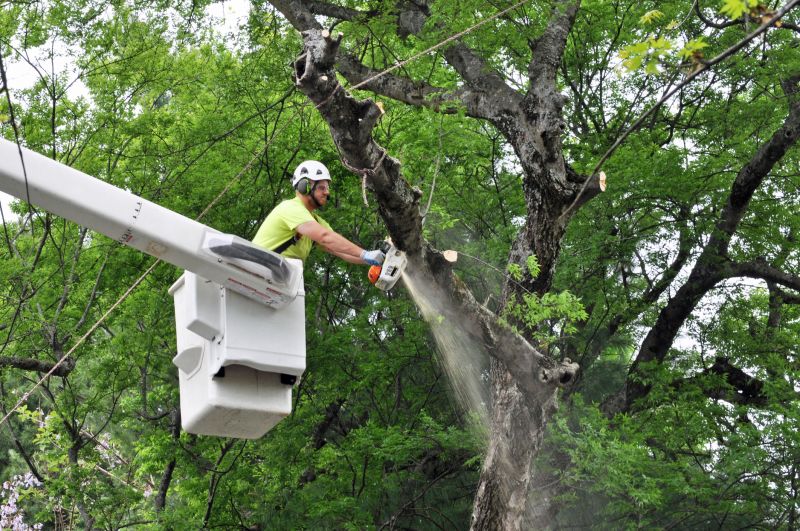
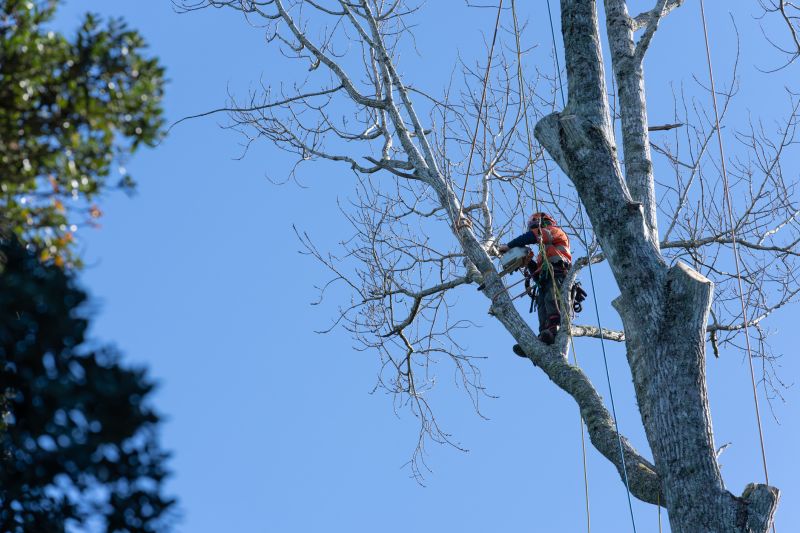
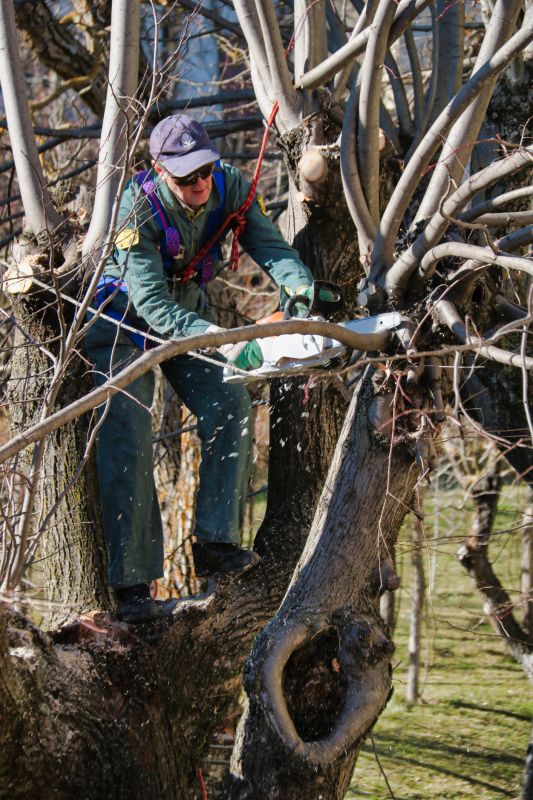
Arborist pruning services involve carefully trimming and shaping trees to promote their health, safety, and aesthetic appeal. Skilled service providers assess each tree’s structure, identifying branches that may be dead, diseased, or overgrown. Proper pruning helps maintain the natural shape of the tree while removing problematic limbs that could pose risks during storms or high winds. This targeted trimming encourages strong growth, improves airflow, and allows more sunlight to reach the tree’s interior, supporting overall vitality.
These services are especially useful for addressing common tree-related problems such as broken or hanging branches, overcrowding, or signs of disease. Overgrown limbs can become hazards if they threaten nearby structures, power lines, or pedestrian pathways. Additionally, removing dead or diseased wood helps prevent the spread of infections and pests. Regular pruning can also reduce the likelihood of storm damage by eliminating weak branches that might break off during severe weather, making it a practical step for property safety and tree longevity.
Arborist pruning is often sought for residential properties, including single-family homes, as well as for larger estates, parks, and commercial sites with extensive landscaping. Properties with mature trees or those that feature ornamental or fruit-bearing trees frequently benefit from professional pruning to preserve their appearance and health. Whether maintaining a well-manicured yard or managing a landscape with multiple trees, property owners turn to local contractors who specialize in tree care to ensure the work is performed safely and effectively.
Homeowners typically consider arborist pruning services when they notice problematic branches, uneven growth, or signs of disease on their trees. It is also a common choice for preparing trees before winter storms or for enhancing the overall look of a property’s landscape. By working with experienced local service providers, property owners can ensure that their trees receive the proper care needed to stay healthy, safe, and attractive for years to come.
The overview below groups typical Arborist Pruning projects into broad ranges so you can see how smaller, mid-sized, and larger jobs often compare in your area.
In many markets, a large share of routine jobs stays in the lower and middle ranges, while only a smaller percentage of projects moves into the highest bands when the work is more complex or site conditions are harder than average.
Smaller Repairs - routine pruning or minor branch removal typically costs between $250 and $600 for many smaller jobs. Many local contractors handle these projects efficiently within this range. Larger, more complex repairs can sometimes reach $1,000 or more.
Medium-Size Pruning - shaping or thinning larger trees usually falls in the $600-$1,500 range. Many projects of this scale are common and tend to stay within this middle band, though some more detailed work may increase the cost.
Large Tree Pruning - extensive pruning or crown reduction for mature trees can range from $1,500 to $3,000. These jobs are less frequent but are handled regularly by local pros within this higher cost bracket.
Full Tree Removal or Major Projects - large-scale removals or complex pruning projects can cost $3,000-$5,000+ depending on size and difficulty. Such projects are less common but are within the scope of experienced local service providers for larger, more involved work.
Actual totals will depend on details like access to the work area, the scope of the project, and the materials selected, so use these as general starting points rather than exact figures.
Tree Removal - Professionals skilled in tree removal use similar planning and equipment as arborists to safely eliminate trees that pose hazards or are unwanted.
Stump Grinding - Stump grinding requires specialized tools and techniques related to pruning, helping to clear remaining tree parts after pruning services.
Land Clearing - Land clearing involves removing trees and brush, utilizing planning and equipment comparable to arborist pruning to prepare sites for development or landscaping.
Tree Cabling and Bracing - This service involves installing support systems in trees to prevent damage, requiring similar knowledge of tree structure and safety considerations as pruning.
Emergency Tree Care - Handling storm-damaged or fallen trees involves skills in assessing tree stability and using similar tools as pruning to secure or remove hazardous limbs.
Fruit Tree Pruning - Pruning fruit trees shares techniques and planning with arborist pruning, focusing on promoting healthy growth and fruit production.
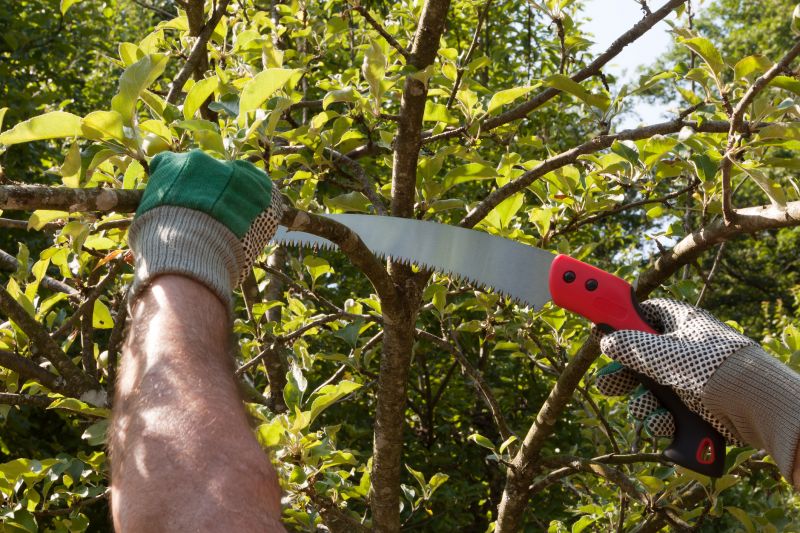
When comparing arborist pruning services, it’s important to consider the experience of local contractors with similar projects. Look for service providers who have a history of working on trees comparable in size, species, or location to your property. Experienced professionals are more likely to understand the nuances of proper pruning techniques, which can help ensure the health and safety of your trees. Asking for details about their previous work can provide insight into their familiarity with projects like yours, making it easier to identify options that have successfully handled similar jobs.
Clear, written expectations are essential when evaluating local arborist pruning services. Reputable contractors should be able to provide detailed descriptions of their approach, the scope of work, and the methods they plan to use. Having this information in writing helps prevent misunderstandings and ensures both parties are aligned on what the project will entail. It’s also beneficial to inquire about the contractor’s process for addressing any unforeseen issues that may arise during the work, so expectations remain transparent from start to finish.
Reputable references and good communication are key indicators of reliable local service providers. Asking for references from past clients can help verify the quality of work and professionalism. Additionally, observing how promptly and clearly a contractor responds to inquiries can give a sense of their communication style and commitment to customer service. Service providers who demonstrate transparency, attentiveness, and a willingness to answer questions are often more dependable choices. Remember, this site is designed to introduce homeowners to local options, helping to connect with qualified professionals capable of handling arborist pruning projects effectively.
Property owners use Arborist Pruning services for practical projects around their homes and businesses. This guide focuses on everyday jobs and straightforward project options.
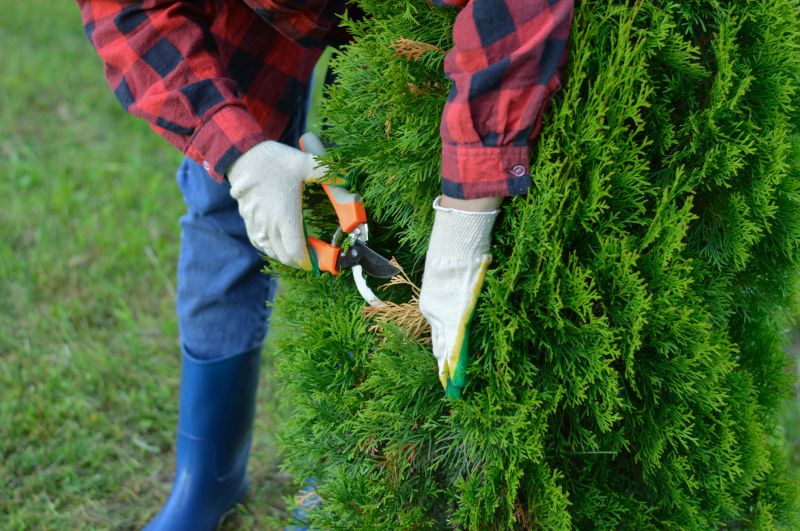
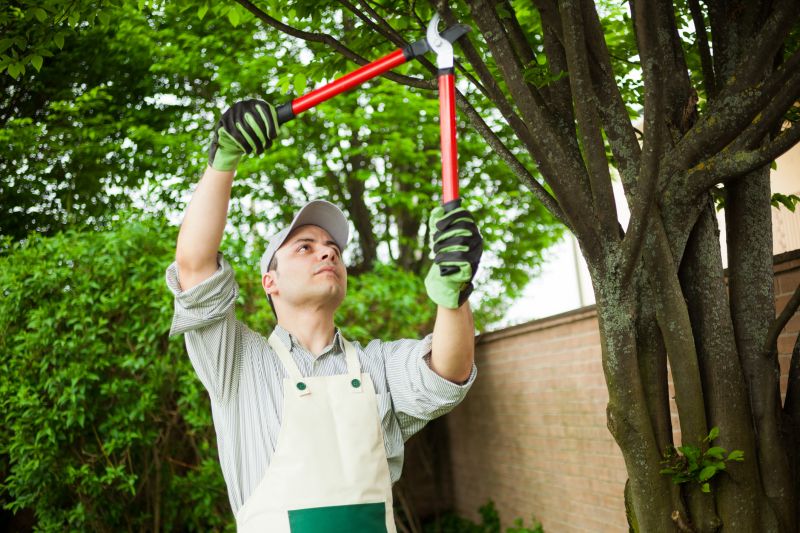
Arborist pruning services are often needed for routine maintenance or to address specific issues with trees and shrubs around residential properties. Property owners may seek these services to remove dead or damaged branches that could pose safety hazards, improve the overall health of their trees, or enhance the appearance of their landscape. Local contractors can assist with shaping trees to prevent interference with power lines or structures, as well as to promote healthy growth and longevity.
In addition, property owners might look for pruning services when preparing for seasonal changes or special events, ensuring their trees and greenery look well-kept and attractive. Whether dealing with overgrown branches that block sunlight or managing growth around walkways and driveways, local service providers can handle a variety of pruning projects to help maintain a safe and appealing outdoor space.
What is arborist pruning? Arborist pruning involves selectively trimming and shaping trees to promote healthy growth, improve appearance, and remove hazardous branches.
Why should I consider professional arborist pruning? Professional arborists have the knowledge and tools to prune trees safely and effectively, helping to maintain tree health and prevent damage.
What types of pruning do local contractors offer? Local service providers typically offer crown thinning, crown reduction, deadwood removal, and structural pruning to suit different tree needs.
How can arborist pruning improve my landscape? Proper pruning can enhance the aesthetic appeal of trees, improve sunlight penetration, and support the overall health of your landscape.
How do I find qualified arborist pruning services nearby? You can compare local contractors through a lead generation platform that connects homeowners with experienced service providers in the area.
Tree Crown Thinning - This service helps property owners improve tree health and reduce wind resistance by selectively removing branches, making trees safer during storms.
Deadwood Removal - Removing dead or diseased branches can prevent potential hazards and promote healthier growth in trees around homes or commercial properties.
Structural Pruning - Proper pruning shapes trees and guides growth to prevent branches from interfering with structures, power lines, or walkways.
Fruit Tree Pruning - Regular trimming encourages better fruit production and keeps fruit trees manageable in residential gardens or orchards.
If you are thinking about Arborist Pruning for a property, this guide is meant to help you understand the work, the typical project types, and how different options might fit your plans.
When you are ready, you can use the quote form on this page to share a few details about your project. From there, local pros can review the basics and respond with options that match what you have in mind.